These notes come from conversations with Bay Area families about small things they tried at home. They are personal tips, not medical advice, and not a suggestion that any particular item is the right choice. What helped one household may not fit another. Talk with a doctor, therapist, or pharmacist before trying something new, especially around medications, swallowing, falls, or foot care.
Most of the tips families share are about the older adult. This one is about whoever is helping them.
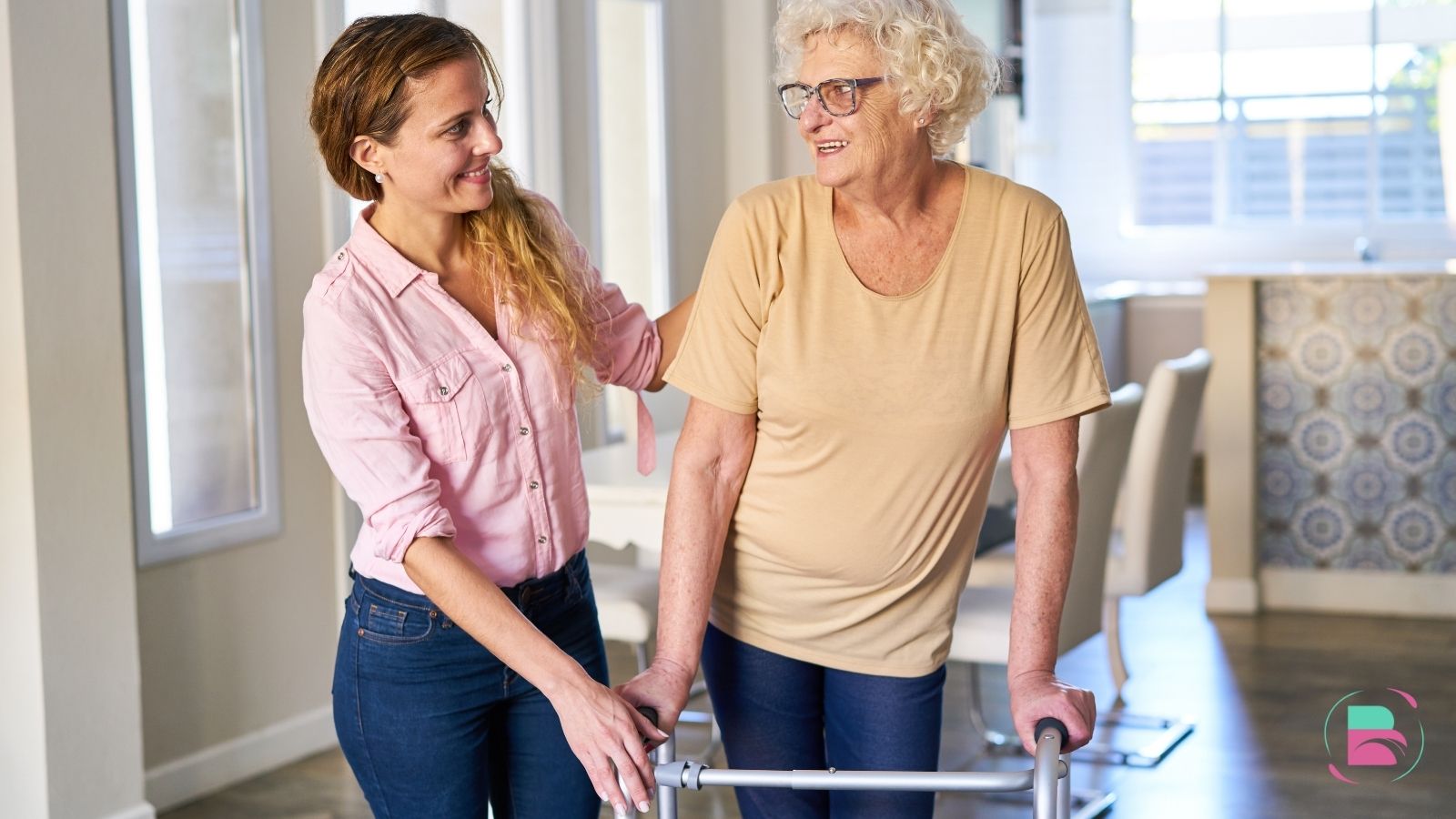
The bed-to-chair pivot is where family caregivers get hurt. It is a lift, a twist, and a lower, done several times a day, often by someone in their sixties helping someone in their eighties. Professional aides are trained for it and still get injured. Family caregivers are often trained by nobody.
What families described
People mentioned a sit-to-stand pivot aid, often the Etac Turner PRO. The person places their feet on a small rotating platform, braces their knees against padded supports, and pulls up on a handle. Once standing, the caregiver turns the platform toward the chair or the bed. Families said the caregiver guides. They do not lift. It folded and was light enough to put in a car, so it was not stuck in one bedroom.
When it was not the right tool
Families were told this kind of aid assumes some leg strength and enough grip to pull. If a person cannot bear weight or cannot hold on, people they trusted said this was the wrong device. That situation called for a different lift and a professional assessment, not a guess from a catalog.
When it came up
Before an injury, not after. If you are a spouse or an adult child doing several transfers a day and your back has started talking to you, families said that was the moment. A caregiver who gets hurt is how two people end up needing care instead of one.
Trying it before buying
A powered lift costs more, weighs much more, and will not fit in a lot of San Francisco bathrooms. Families tried equipment first. Bay City Medical Supplies in Burlingame and Redwood City has rented patient lifts and transfer equipment, which let people learn what actually worked.
One lesson they repeated: get taught. A single session with a physical or occupational therapist on transfer technique mattered more than the device. They asked the physician for a referral.
People providing hands-on care every day also looked into In-Home Supportive Services, where a family member can sometimes be hired as the provider. San Francisco: (415) 355-6700. San Mateo County: (650) 573-3900.
If you are sorting through what still works at home, BrightBridge Care is glad to talk it through with you. There is no charge for a conversation.
Need Help Finding the Right Senior Living Community?
Our expert team is here to help you navigate your options and find the perfect fit for your loved one.