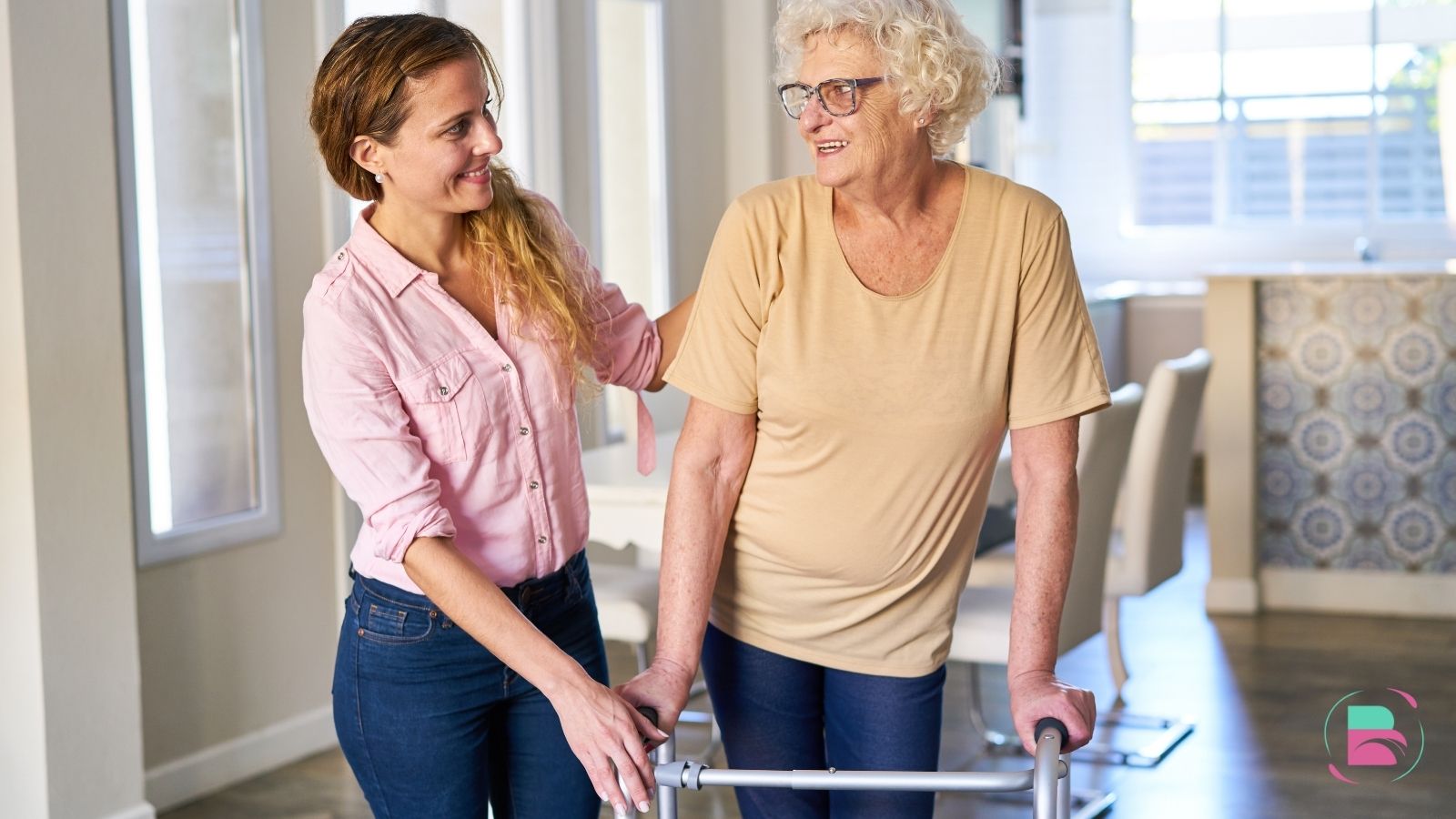
Better trained hands, and more understanding hearts.
The caregivers who look after our parents and grandparents have always been kind, but kindness alone is not always enough when the day brings a confusing dementia moment, a family disagreement, or a resident whose traditions are different from their own. That is why so many communities are now investing in stronger training, helping their staff grow more skilled and more confident. At the center of this effort is better dementia care, teaching caregivers how to read the feelings behind difficult behavior, how to soothe rather than correct, and how to step into a person's reality with patience instead of pushing back.
Training programs from well known aging and Alzheimer's organizations are helping staff learn these gentle, proven approaches. Cultural sensitivity is another growing focus, so that a caregiver understands the foods, faith, language, and customs that make each resident feel respected and at home. Many programs now add conflict resolution as well, giving caregivers calm and practical ways to handle tense moments with residents or worried family members.
For seniors, all of this means care that feels more personal, more respectful, and less frustrating. For families, it offers the reassurance that the person helping your loved one truly understands their needs and their history. For the communities and the caregiving workforce, good training is also a gift to the workers themselves, because people who feel competent and supported are far more likely to stay and to find real meaning in their work.
In the San Francisco Bay Area and across the San Mateo County Peninsula, where the population is wonderfully diverse and the competition for caregivers is intense, this kind of investment matters even more. A community that trains its people well, in dementia care and in cultural understanding, gives itself an edge in attracting and keeping good staff in a very tight and expensive labor market. Strong local healthcare and aging networks make these classes and certifications easier to find than in many other parts of the country.
In the end, a well trained caregiver does not just do the job better, they make daily life kinder and steadier for everyone in their care.
Need Help Finding the Right Senior Living Community?
Our expert team is here to help you navigate your options and find the perfect fit for your loved one.