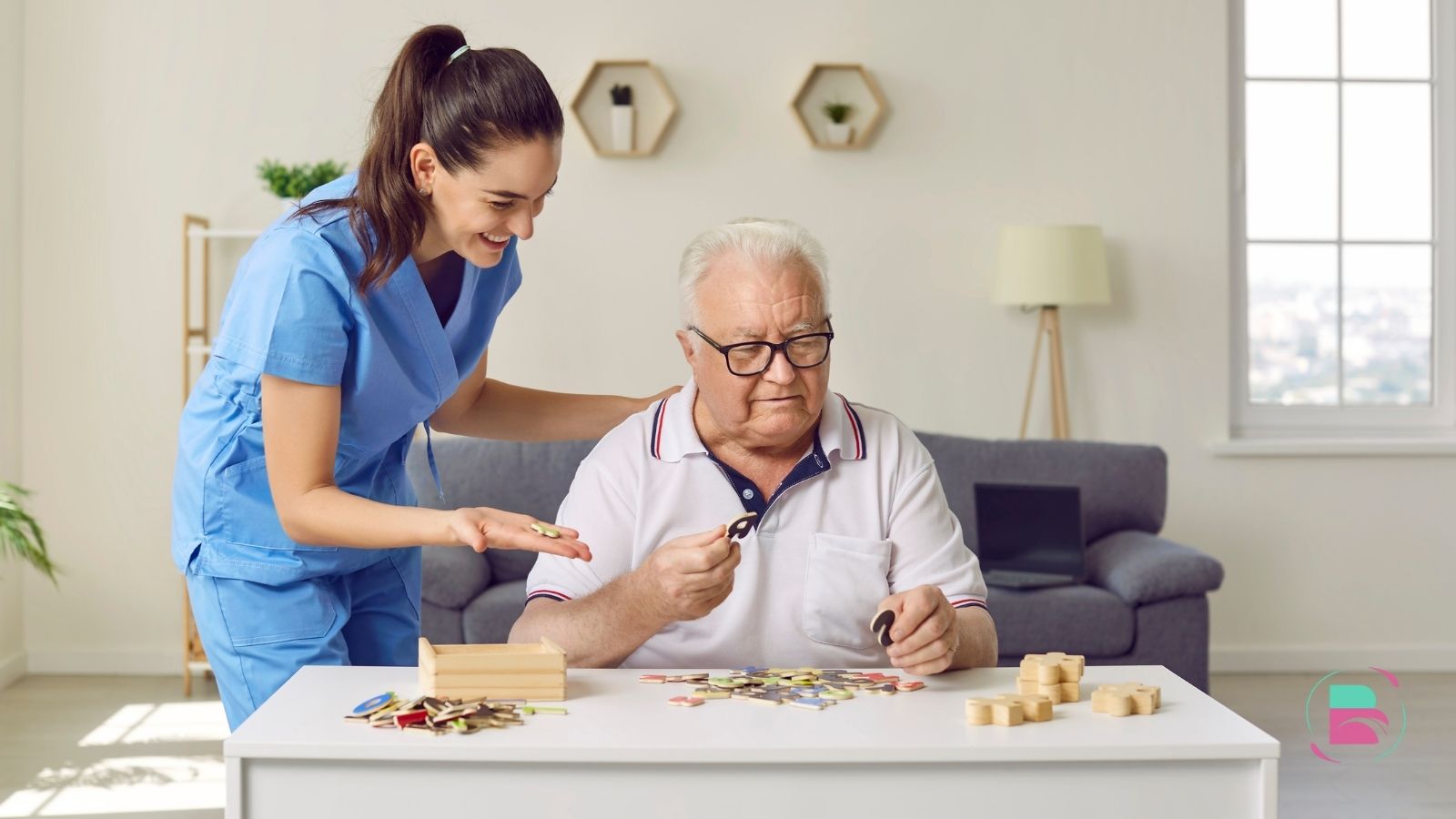
Scientists are working not just to add years to life, but to add healthy, vibrant years, and some of that work is happening right here in the Bay Area.
Of all the trends shaping the future of aging, this may be the most hopeful. A growing field of science called geroscience is shifting its focus from simply helping people live longer to helping people stay healthy and active for more of the years they have. Researchers call this idea healthspan, meaning the stretch of life when you feel good, move well, and stay independent, as opposed to lifespan, which is just the total number of years.
The big idea is that many of the conditions we associate with getting older, things like heart disease, diabetes, and memory loss, may share common roots in the aging process itself, and that gently slowing or addressing those roots could help people enjoy more vibrant years. Scientists are studying a range of promising approaches, including compounds that help clear out worn-out cells, that support the body's natural energy and repair systems, and that calm the kind of low-grade inflammation that builds up over time.
It is important to keep expectations grounded and warm at the same time. These are scientific advances unfolding over years, not magic pills available at the pharmacy tomorrow, and the most reliable healthspan boosters we already know about remain wonderfully ordinary, things like staying active, eating well, sleeping enough, and keeping strong social ties. For seniors and families, the encouraging message is that aging is increasingly seen as something we can influence, and that the goal is more good years, not just more years.
For senior living communities, this research reinforces what the best ones already practice, which is a focus on movement, nutrition, connection, and purpose that helps residents thrive rather than simply get by. There is a special local pride to this story on the San Francisco Bay Area Peninsula. Just to the north in Novato sits the Buck Institute for Research on Aging, the largest independent research center of its kind, where scientists are working to extend healthy years for everyone, including a new effort to create a reliable way to measure how well a person is aging.
For families across San Mateo County, it is reassuring to know that some of the world's most promising aging research is happening right in our backyard. None of this replaces good medical care or sensible daily habits, so please treat it as encouraging information rather than medical advice, and talk with your own doctor about what is right for you or your loved one.
Need Help Finding the Right Senior Living Community?
Our expert team is here to help you navigate your options and find the perfect fit for your loved one.